
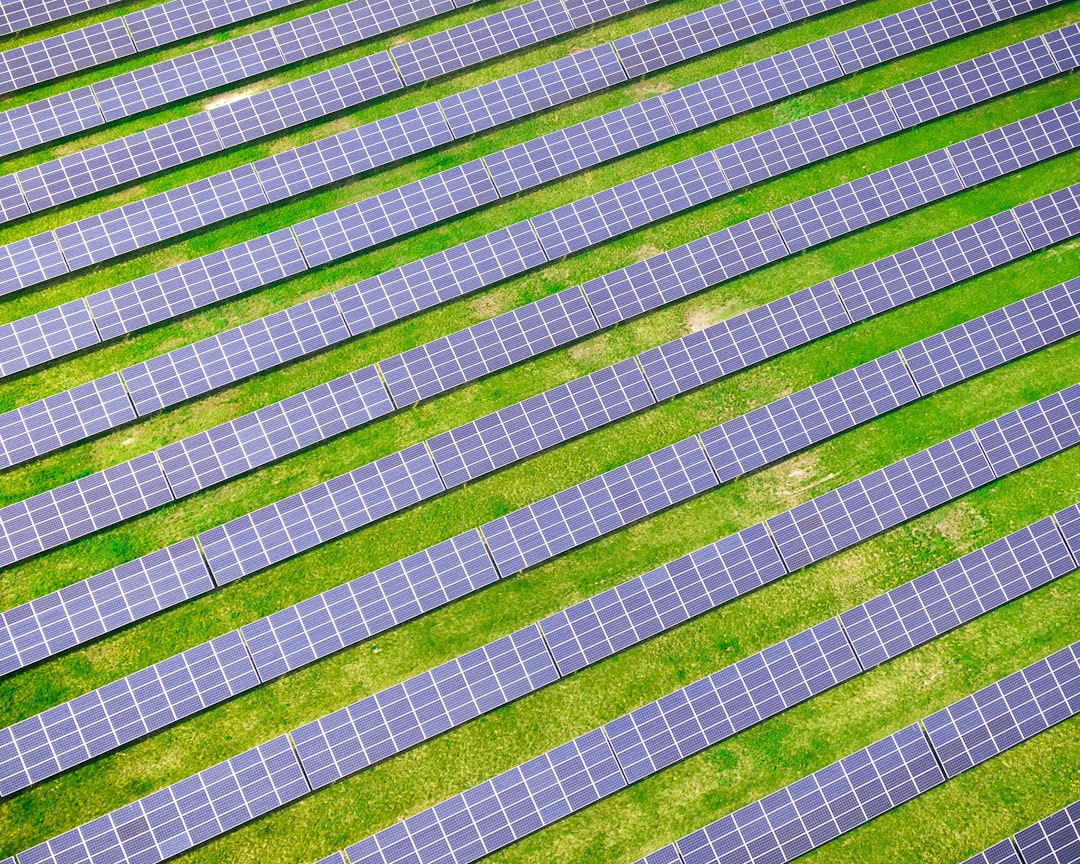
Community Solar: How It Works
Quick Verdict
Community solar programs let you access solar savings without installing panels on your roof — and for most renters and homeowners with unsuitable roofs, they’re the best way to go solar. The savings are real (typically 5-20% off your electricity bill), but the devil is in the contract details. Virtual net metering programs through your utility offer the most consumer protection, while third-party community solar providers often deliver better savings but with more complex contracts and cancellation terms.
At-a-Glance Comparison
| Feature | Utility-Run Programs | Third-Party Developers | Solar Gardens/Co-ops |
|---|---|---|---|
| Savings Range | 5-10% off electricity | 10-20% off electricity | 8-15% off electricity |
| Contract Terms | Month-to-month or annual | 10-25 year agreements | 5-20 year commitments |
| Upfront Costs | None | None to minimal | $500-$5,000+ buy-in |
| Consumer Protection | Strong (utility regulated) | Moderate (varies by state) | Strong (member-owned) |
| Availability | Limited markets | Widest availability | Very limited |
| Best For | Risk-averse consumers | Maximum savings seekers | Local sustainability focus |
| Biggest Strength | Simple, safe, flexible | Highest savings potential | True ownership stake |
| Biggest Weakness | Lower savings | Complex contracts | High upfront costs |
What We’re Comparing and Why It Matters
Community solar programs solve a fundamental problem: roughly 80% of Americans can’t install rooftop solar due to shading, roof conditions, renting, or living in apartments. Community solar lets you buy or subscribe to a portion of a larger solar farm and receive credits on your electricity bill for the power your share produces.
The community solar market has exploded as states mandate virtual net metering programs. You’ll typically see three models: utility-run programs (usually the safest but lowest savings), third-party developer programs (highest savings but more complex), and solar gardens or cooperatives (member-owned but requiring significant upfront investment).
The key decision factors that actually matter: contract flexibility vs. savings potential, consumer protection strength, and whether you want a simple subscription or don’t mind navigating longer-term agreements for better economics.
Detailed Analysis of Each Option
Utility-Run Community Solar Programs
What it is: Your electric utility develops and operates the solar farm, offering subscriptions directly to customers through regulated programs.
Who it’s best for: First-time solar users who want maximum simplicity and consumer protection without sacrificing significant savings potential.
What it does well: These programs offer the strongest consumer protections since they’re regulated by state utility commissions. Contract terms are typically month-to-month or annual commitments. You’ll get straightforward billing — your regular utility bill simply shows solar credits offsetting your electricity charges. Customer service runs through your existing utility relationship.
Where it falls short: Savings are usually the lowest of the three options, typically 5-10% off your electricity bill. Many utility programs have waiting lists due to limited capacity. Some utilities offer these programs reluctantly due to regulatory requirements, resulting in minimal marketing and hard-to-find enrollment information.
Key operational details: No upfront costs or fees. Cancellation is usually as simple as calling your utility with 30-60 days notice. The solar credits appear as line items on your existing utility bill, making tracking straightforward.
Third-Party Community Solar Developers
What it is: Independent solar companies develop solar farms and sell subscriptions directly to consumers, with credits flowing through virtual net metering arrangements with your utility.
Who it’s best for: Consumers willing to navigate longer contracts and more complex terms in exchange for maximum savings potential.
What it does well: These programs typically offer the highest savings — often 10-20% off your electricity bill. No upfront costs for subscription models. The companies specialize in solar, so customer service tends to be more knowledgeable about renewable energy specifics. They often have better online account management and mobile apps than utilities.
Where it falls short: Contract terms are usually 10-25 years with early termination fees that can be substantial. The billing gets more complex — you’ll receive separate bills from both the community solar provider and your utility. Consumer protections vary significantly by state, and some providers have aggressive sales tactics. If the developer goes out of business, you could face service disruption.
Key operational details: Most programs require a credit check and have minimum credit score requirements. Cancellation typically involves early termination fees calculated as a percentage of remaining contract value. You’ll need to carefully track two separate bills to verify your savings calculations.
Solar Gardens and Cooperatives
What it is: Member-owned solar installations where you purchase a share of the solar array and own that portion of the power generation equipment.
Who it’s best for: Consumers who want true ownership of their renewable energy source and don’t mind significant upfront investment for long-term savings.
What it does well: You actually own your portion of the solar farm, giving you the strongest long-term position. Member governance means decisions get made democratically. These programs often have the strongest local community focus and environmental mission. Long-term savings can be excellent since you’re not paying ongoing subscription fees.
Where it falls short: High upfront costs — typically $500 to $5,000+ depending on the size of your share. Very limited availability with most programs having long waiting lists. The administrative overhead of member governance can create delays in decision-making.
Key operational details: Upfront purchase usually required, though some offer financing options. Your ownership stake typically lasts for the 20-25 year life of the solar installation. Transferring your share when you move can be complex and may require finding a qualified buyer.
Head-to-Head on What Matters Most
Savings Potential
Winner: Third-party developers typically deliver 10-20% savings vs. 5-10% for utility programs and 8-15% for solar gardens (after accounting for upfront costs).
The math works differently for each model. Utility programs offer lower savings because they’re often designed to be revenue-neutral for the utility. Third-party developers can offer higher savings because they’re competing for customers and optimizing for profit. Solar gardens provide moderate savings but your upfront investment affects the payback timeline.
Contract Flexibility and Risk
Winner: Utility programs offer month-to-month or annual terms vs. 10-25 year commitments from third-party developers.
This is where the trade-off becomes clear. Want to move next year? Utility programs let you cancel with minimal hassle. Third-party agreements often carry early termination fees of hundreds or thousands of dollars. Solar garden shares can be hard to transfer when relocating.
Consumer Protection
Winner: Utility programs benefit from state utility commission oversight and established complaint processes.
Third-party developers operate with varying levels of state oversight — strong in states like New York and Massachusetts, weaker in others. Solar cooperatives offer good protection through member governance but lack regulatory backstops if things go wrong.
Simplicity and Ease of Use
Winner: Utility programs integrate community solar credits directly into your existing utility bill.
With third-party providers, you’ll juggle two bills and need to verify that credits are flowing correctly. Solar gardens require the most ongoing attention due to member responsibilities and governance participation.
Who Should Choose What
If you prioritize maximum savings and don’t mind complexity → Third-party community solar developers offer the best economics if you’re comfortable with longer contracts and more complex billing.
If you want simple, low-risk solar savings → Utility-run programs provide solid savings (5-10%) with maximum flexibility and consumer protection.
If you’re committed to true renewable ownership → Solar gardens or cooperatives give you actual ownership but require significant upfront investment and long-term commitment.
If you’re a renter or plan to move within 5 years → Stick with utility programs to avoid early termination fees that can wipe out your savings.
If you want the best overall value for most situations → Third-party developers win on pure economics, but only if your state has strong consumer protection regulations and you’re confident in your housing stability.
What to Watch Out For
Promotional pricing that changes: Many third-party providers offer introductory rates that increase after the first year. Always ask for the full 20-year pricing schedule before signing.
Early termination fees: Third-party agreements often include substantial cancellation penalties. Get the exact calculation method in writing — some fees can reach several thousand dollars.
Bill credit vs. actual credit timing: Community solar credits might not perfectly align with your monthly usage patterns. Excess credits usually roll over, but understand your provider’s policy on annual credit expiration.
Solar farm construction delays: If you’re signing up for a solar farm that hasn’t been built yet, ask about timeline guarantees and what happens if construction gets delayed beyond the promised date.
Utility interconnection changes: Virtual net metering policies can change. While existing contracts usually include some protection, understand what happens if your state modifies its community solar regulations.
Credit requirements and deposits: Third-party providers often require credit checks and may demand security deposits for customers with lower credit scores.
FAQ
How much can I actually save with community solar programs?
Most programs deliver 5-20% savings on your electricity bill, with utility programs on the lower end (5-10%) and third-party developers typically offering 10-20%. Your actual savings depend on your local electricity rates, the solar farm’s production, and your specific contract terms.
What happens if I move to a new address?
Utility programs usually let you transfer or cancel easily. Third-party providers often allow transfers within the same utility territory but may charge early termination fees if you move outside their service area. Always check the transfer and cancellation policies before signing up.
Do I need to install anything on my property?
No. Community solar farms are located elsewhere, and you receive bill credits for your share of the power production. Your existing electrical service remains unchanged.
What if the solar farm doesn’t produce enough power?
Most programs guarantee a minimum level of production credits. If your share doesn’t generate the promised amount, the provider typically makes up the difference or adjusts your subscription size to meet your electricity needs.
Can I cancel my community solar subscription?
Cancellation terms vary dramatically by provider type. Utility programs often allow monthly or annual cancellation, while third-party providers usually require 10-25 year commitments with early termination fees.
How do I know if community solar is available in my area?
Check with your utility company first for their programs, then search for third-party providers serving your utility territory. State energy offices often maintain lists of approved community solar programs in deregulated markets.
Conclusion
Community solar programs offer a legitimate path to solar savings without rooftop installation, but the right choice depends on balancing savings potential against contract complexity and risk tolerance.
For most consumers, third-party community solar developers provide the best combination of significant savings (10-20%) and accessibility, assuming you’re comfortable with longer-term commitments and can navigate more complex billing. Utility programs sacrifice some savings potential for maximum simplicity and flexibility — making them ideal for renters or anyone prioritizing low-risk arrangements.
The community solar market continues expanding rapidly, giving more consumers access to renewable energy savings regardless of their housing situation. Just remember that the highest savings often come with the longest commitments, so match your choice to your actual housing stability and risk tolerance.
YouCompare.com helps you compare energy options with independent analysis and honest reviews that cut through the marketing noise. As an independent comparison platform, we provide research-backed comparisons across insurance, energy, internet, mobile, and software to help you make smarter decisions — with no sponsored rankings or pay-to-play listings, just honest analysis you can trust.
