
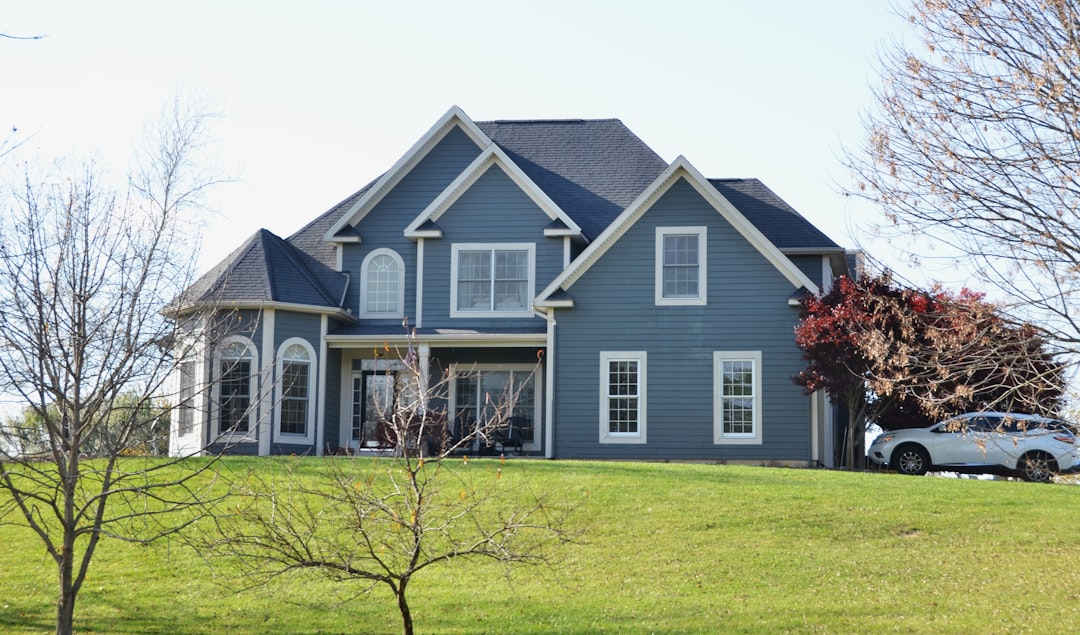
Cheap Homeowners Insurance: Find Affordable Coverage
Finding affordable homeowners insurance doesn’t mean sacrificing essential protection for your most valuable asset. This comprehensive guide compares the best options for cheap homeowners insurance, helping you understand which insurers offer the most value while keeping costs manageable.
In this comparison, we’ll examine budget-friendly insurance providers that consistently offer competitive rates without compromising on essential coverage. Understanding your options can save you hundreds or even thousands of dollars annually while ensuring your home and belongings remain adequately protected.
Our top picks for affordable homeowners insurance include State Farm for overall value and widespread availability, GEICO for excellent online experience and bundling discounts, Progressive for competitive rates and comparison shopping tools, USAA for military families (where eligible), and Lemonade for tech-savvy homeowners seeking streamlined service.
Quick Comparison Overview
| Provider | Best For | Standout Feature | Coverage Types |
|———-|———-|——————|—————-|
| State Farm | Overall value and local service | Largest insurer with extensive agent network | All standard coverages plus additional options |
| GEICO | Online experience and bundling | Significant multi-policy discounts | Standard coverage with optional add-ons |
| Progressive | Rate comparison and transparency | Name Your Price tool and comparison features | Comprehensive coverage options |
| USAA | Military families | Exceptional customer service and military-specific benefits | Full coverage suite with specialized options |
| Lemonade | Digital-native experience | AI-powered claims and charitable giving model | Standard coverage with modern approach |
Key Differences:
- Service Model: Traditional agents (State Farm) vs. digital-first (Lemonade)
- Eligibility: Open to all vs. military-exclusive (USAA)
- Discount Structure: Bundling focus (GEICO) vs. individual policy optimization
- Technology Integration: Basic online tools vs. AI-powered features
Detailed Comparison
State Farm
As the largest homeowners insurer in the United States, State Farm combines competitive rates with extensive local agent support. Their broad availability and comprehensive coverage options make them particularly attractive for budget-conscious homeowners who value personal service.
Coverage Features:
- Standard dwelling, personal property, and Umbrella Insurance:
- Additional living expenses coverage
- Optional identity theft protection
- Valuable items coverage for high-end possessions
- Business property coverage for home offices
State Farm’s strength lies in their established agent network and claims handling experience. They offer various discount opportunities including bundling with auto insurance, security system installations, and claims-free history rewards.
GEICO
Originally known for auto insurance, GEICO has expanded into homeowners insurance with a focus on digital convenience and substantial bundling discounts. Their partnership with established insurers allows them to offer competitive rates while maintaining their reputation for customer service.
Coverage Features:
- Comprehensive dwelling and personal property protection
- Liability coverage with optional umbrella policies
- Emergency expense coverage for temporary housing
- Optional coverage for valuable items and home business equipment
- Water backup coverage available
GEICO excels at multi-policy discounts, often providing significant savings when you bundle home and auto insurance. Their online platform makes policy management and claims reporting straightforward.
Progressive
Progressive brings their competitive pricing approach to homeowners insurance, offering transparent rate comparison tools and flexible coverage options. Their emphasis on helping consumers understand and compare options aligns well with budget-conscious shopping.
Coverage Features:
- Standard homeowners protection packages
- Custom coverage options for unique needs
- Optional coverage for home sharing and rental income
- Enhanced replacement cost coverage
- Identity theft and cyber protection options
Progressive’s “Name Your Price” tool and rate comparison features help homeowners find coverage that fits their budget while understanding what they’re getting for their premium dollars.
USAA
Exclusive to military families, USAA consistently ranks highest in customer satisfaction while offering competitive rates. Their understanding of military lifestyle challenges, including frequent relocations, makes them particularly valuable for eligible families.
Coverage Features:
- Comprehensive homeowners protection
- Military-specific benefits like deployment discounts
- Coverage for military uniforms and equipment
- Extended replacement cost coverage
- Specialized coverage for overseas assignments
USAA’s claims handling and customer service consistently earn top ratings, and their rates often beat larger competitors significantly.
Lemonade
As a newer, technology-focused insurer, Lemonade offers streamlined coverage with AI-powered claims processing and a unique charitable giving model. Their approach appeals to younger homeowners comfortable with digital-first insurance experiences.
Coverage Features:
- Standard homeowners coverage with modern touches
- Quick online quotes and policy purchase
- AI-powered claims processing for faster settlements
- Coverage for modern risks like bike theft and subletting
- Optional valuable items coverage
Lemonade’s innovative approach includes donating unused premiums to charities chosen by policyholders, creating a different relationship between insurer and customer.
Pricing Overview
Homeowners insurance costs vary significantly based on location, home characteristics, and coverage choices, but several factors consistently influence pricing across all insurers:
Average Cost Ranges:
- Cheap Renters Insurance: typically range from $800-$1,500 annually
- Premium variations depend heavily on regional risk factors
- Bundling discounts can reduce costs by 15-25%
Primary Pricing Factors:
- Location: Natural disaster risk, crime rates, and local building costs
- Home Age and Construction: Newer homes and certain materials cost less to insure
- Coverage Limits: Higher dwelling and personal property limits increase premiums
- Deductibles: Higher deductibles significantly reduce annual premiums
- Claims History: Previous claims impact renewal rates
- Credit Score: Most states allow credit-based insurance scoring
Value Considerations:
The cheapest premium doesn’t always provide the best value. Consider claims handling reputation, customer service quality, and coverage adequacy when evaluating options. Saving $200 annually means little if poor claims service costs you thousands during an actual loss.
Pros and Cons
State Farm
Pros:
- Extensive local agent network for personal service
- Strong financial stability and claims-paying ability
- Wide variety of coverage options and discounts
- Established claims handling processes
- Available in all 50 states
Cons:
- May not always offer the absolute lowest rates
- Agent availability varies by location
- Some customers prefer digital-only interactions
GEICO
Pros:
- Excellent multi-policy bundling discounts
- Strong online platform and mobile app
- 24/7 customer service availability
- Competitive rates for bundled customers
- Simplified policy management
Cons:
- Homeowners insurance provided through partner companies
- Limited local agent availability
- May not offer as many specialized coverage options
Progressive
Pros:
- Transparent pricing and comparison tools
- Flexible coverage customization
- Strong online quote and purchase process
- Competitive rates for many customer profiles
- Innovative coverage options for modern needs
Cons:
- Customer service can vary by region
- May push additional coverage options aggressively
- Claims experience less established than traditional insurers
USAA
Pros:
- Consistently top-rated customer satisfaction
- Military-specific understanding and benefits
- Highly competitive rates for eligible members
- Exceptional claims handling reputation
- Comprehensive financial services integration
Cons:
- Limited to military families and their adult children
- Not available to general public
- May have limited agent locations in some areas
Lemonade
Pros:
- Fast, technology-driven experience
- Innovative charitable giving model
- Competitive rates for younger homeowners
- Quick claims processing for covered losses
- Modern approach to common coverage needs
Cons:
- Limited track record with complex claims
- May not offer all traditional coverage options
- Customer service primarily digital
- Not available in all states yet
How to Choose
Selecting the right cheap homeowners insurance requires balancing cost with coverage adequacy and service quality. Consider these key factors:
Coverage Needs Assessment:
- Calculate replacement cost for your home accurately
- Inventory valuable personal property requiring special coverage
- Evaluate liability risk based on your situation
- Consider additional living expenses needs during claims
Financial Considerations:
- Determine appropriate deductible levels based on emergency savings
- Compare total annual costs including all fees
- Evaluate discount opportunities you qualify for
- Consider long-term rate stability vs. introductory pricing
Service Preferences:
- Decide between local agent relationships vs. digital convenience
- Research claims handling reputation and speed
- Consider 24/7 availability needs
- Evaluate mobile app and online account management features
Questions to Ask Yourself:
- Do I prefer working with local agents or handling everything online?
- What’s my total budget for home and auto insurance combined?
- How much can I afford for deductibles if I need to file a claim?
- Are there specific risks in my area requiring additional coverage?
- Do I qualify for any special discounts or group memberships?
Matching Needs to Options:
- Choose State Farm if you want local service with competitive rates
- Select GEICO if you’re bundling with auto insurance and prefer digital convenience
- Pick Progressive if you want pricing transparency and comparison tools
- Go with USAA if you’re military-eligible and want premium service
- Consider Lemonade if you’re comfortable with digital-first insurance and want innovative features
How to Switch/Get Started
Making the switch to more affordable homeowners insurance requires careful planning to avoid coverage gaps while securing better rates.
Steps to Switch:
- Research and Compare: Get quotes from multiple insurers using your current policy as a baseline
- Review Current Policy: Check renewal dates, cancellation requirements, and any outstanding claims
- Verify Coverage: Ensure new policy provides adequate protection before canceling current coverage
- Time the Switch: Plan transition for renewal date to avoid cancellation fees
- Purchase New Policy: Complete application and pay initial premium before canceling old coverage
- Cancel Old Policy: Provide proper notice to current insurer after new coverage begins
- Update Stakeholders: Notify mortgage company and any other parties requiring insurance verification
- Coverage Gaps: Never cancel existing coverage before new policy takes effect
- Cancellation Fees: Some insurers charge fees for mid-term cancellations
- Claims History Impact: Recent claims may affect rates with new insurers
- Inspection Requirements: Some insurers require home inspections before coverage begins
- Escrow Account Updates: Ensure mortgage servicer updates insurance information promptly
Timing Considerations:
- Best Time: Policy renewal date to avoid fees and complications
- Advance Planning: Start shopping 30-45 days before renewal
- Seasonal Factors: Some insurers restrict new policies during high-risk seasons
- Claims Timing: Avoid switching during ongoing claims processes
FAQ
Q: How much can I save by switching to cheaper homeowners insurance?
A: Savings vary widely based on your current coverage and the new insurer, but many homeowners save 15-25% by switching. Bundling with auto insurance often provides additional discounts of 10-20%. The key is comparing equivalent coverage levels rather than just premium amounts.
Q: Is the cheapest homeowners insurance always the best choice?
A: Not necessarily. The cheapest premium may come with higher deductibles, lower coverage limits, or poor claims service. Focus on value rather than just price – consider claims handling reputation, customer service quality, and coverage adequacy when comparing options.
Q: What’s the difference between actual cash value and replacement cost coverage?
A: Replacement cost coverage pays to rebuild or replace damaged property with new materials of similar quality, while actual cash value deducts depreciation. Replacement cost coverage costs more but provides significantly better protection, especially for older homes and belongings.
Q: How do bundling discounts work with cheap homeowners insurance?
A: Most insurers offer multi-policy discounts when you combine home and auto insurance, typically saving 15-25% on both policies. GEICO and State Farm are particularly known for substantial bundling discounts, but compare the total cost of both policies rather than just the discount percentage.
Q: Can I get cheap homeowners insurance with bad credit?
A: Yes, though options may be limited and rates higher. Some states restrict credit-based pricing, and some insurers focus less on credit scores. Consider insurers like Progressive or Lemonade that may weigh other factors more heavily, and work on improving your credit score for future savings.
Q: What coverage should I never skip to save money on homeowners insurance?
A: Never reduce dwelling coverage below your home’s replacement cost, maintain adequate liability coverage (at least $300,000), and ensure personal property coverage meets your needs. Consider higher deductibles instead of reducing coverage limits to save money while maintaining proper protection.
Conclusion
Finding cheap homeowners insurance doesn’t require sacrificing essential protection or service quality. The providers in this comparison offer different approaches to affordable coverage, from State Farm’s agent-supported service to Lemonade’s digital innovation, ensuring options for various preferences and needs.
The key to successful insurance shopping lies in comparing equivalent coverage levels, understanding what drives your premium costs, and evaluating the total value proposition rather than just the annual premium. Remember that the cheapest option may not provide the best value if claims service or coverage adequacy suffers.
Ready to find your perfect homeowners insurance match? Use YouCompare.com’s independent comparison tools to evaluate these options side-by-side, access unbiased reviews from real customers, and discover which cheap homeowners insurance provider offers the best value for your specific situation. Our platform helps thousands of consumers make smarter insurance decisions by providing transparent comparisons and expert insights – start your comparison today and join the many homeowners who’ve found better coverage at lower costs through informed decision-making.