
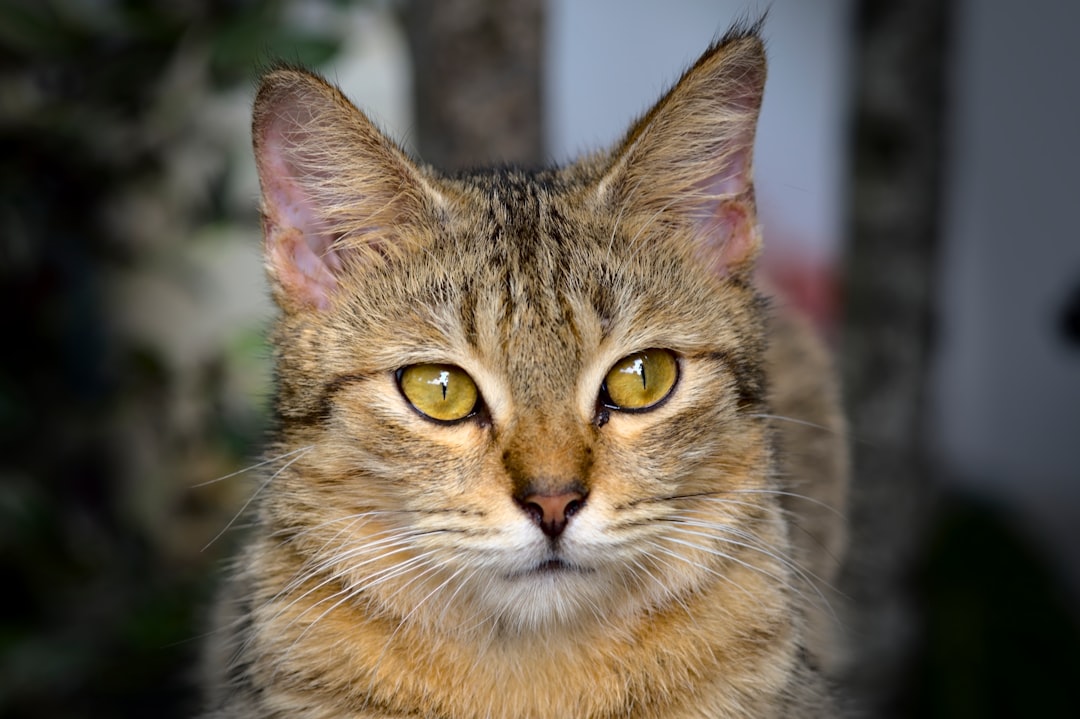
Cat Insurance: Coverage for Your Feline
As a devoted cat owner, you want to ensure your feline companion receives the best possible healthcare throughout their life. However, veterinary costs can quickly escalate, especially for serious conditions or emergencies. This is where cat insurance becomes invaluable, providing financial protection and peace of mind when your pet needs medical attention.
Cat insurance has evolved significantly over the past decade, with numerous providers now offering comprehensive coverage options tailored specifically to feline health needs. Unlike human health insurance, pet insurance typically operates on a reimbursement model, where you pay upfront and receive a percentage back after submitting claims.
Our comparison reveals that the leading cat insurance providers include Pets Best, Healthy Paws, ASPCA Pet Health Insurance, Petplan, and Embrace Pet Insurance. Each offers distinct advantages: Pets Best excels in customizable coverage options, Healthy Paws provides unlimited lifetime benefits, ASPCA offers comprehensive wellness coverage, Petplan specializes in hereditary condition coverage, and Embrace stands out for its diminishing deductible feature.
Quick Comparison Overview
When comparing cat insurance providers, several key factors differentiate the options available to pet owners:
Coverage Scope: Most providers offer three main tiers – accident-only, accident and illness, and comprehensive plans that include wellness care. The breadth of coverage varies significantly, with some insurers excluding common feline conditions like dental disease or hereditary issues.
Reimbursement Models: Standard reimbursement rates range from 70% to 90% of veterinary costs after meeting your deductible. Some providers offer actual veterinary cost reimbursement, while others use benefit schedules that may limit payouts for specific procedures.
Age Restrictions: While most insurers accept cats from 6-8 weeks old, upper age limits vary considerably. Some providers stop accepting new policies for cats over 14 years, while others have no upper age restrictions but may impose waiting periods.
Pre-existing Conditions: All major insurers exclude pre-existing conditions, but their definitions and assessment methods differ. Some conduct thorough veterinary record reviews, while others rely on owner declarations during enrollment.
Best for Different Needs:
- Young, Healthy Cats: Accident and illness plans with higher deductibles
- Senior Cats: Comprehensive coverage with lower deductibles and shorter waiting periods
- Purebred Cats: Plans specifically covering hereditary and congenital conditions
- Budget-Conscious Owners: Accident-only plans or higher deductible options
- Comprehensive Care: Plans including wellness, dental, and preventive care coverage
Detailed Comparison
Pets Best
Pets Best distinguishes itself through exceptional customization options, allowing cat owners to tailor coverage precisely to their needs and budget. Their BestBenefit plans offer annual coverage limits ranging from $5,000 to unlimited, with deductible options from $50 to $1,000 and reimbursement levels between 70% and 90%.
The provider’s strength lies in its flexible approach to coverage. Their accident and illness plans cover everything from minor injuries to major conditions like cancer, diabetes, and kidney disease. Pets Best also offers a separate wellness plan that covers routine care, vaccinations, and preventive treatments, which can be added to any base plan.
Their claims process is streamlined, with most claims processed within 5-7 business days. The company provides a user-friendly mobile app for claim submission and policy management, making it convenient for busy pet owners.
Healthy Paws
Healthy Paws has built a reputation for comprehensive coverage with no lifetime or per-incident limits, making it particularly attractive for owners of cats who may develop chronic conditions requiring ongoing treatment. Their single plan approach simplifies decision-making while providing robust coverage for accidents, illnesses, and emergencies.
The provider covers hereditary and congenital conditions, which is crucial for purebred cats prone to genetic health issues. Their coverage includes diagnostic tests, surgeries, medications, and alternative therapies like acupuncture and chiropractic care.
Healthy Paws processes claims quickly, often within two business days, and offers direct deposit for reimbursements. Their customer service consistently receives high ratings, and they provide 24/7 pet health support through their mobile app.
ASPCA Pet Health Insurance
Administered by Crum & Forster, ASPCA Pet Health Insurance offers three distinct plan levels: accident-only, accident and illness, and their comprehensive Complete Coverage plan. This tiered approach allows cat owners to select coverage that matches both their pet’s needs and their financial situation.
The Complete Coverage plan includes wellness benefits covering routine care, vaccinations, and preventive treatments. ASPCA also covers behavioral therapy, which can be valuable for cats with anxiety or behavioral issues. Their multi-pet discounts make them attractive for households with multiple cats.
ASPCA’s coverage includes exam fees, which many competitors exclude, providing additional value. They also offer coverage for prescription food and supplements when prescribed for covered conditions.
Petplan (now Fetch by The Dodo)
Petplan, recently rebranded as Fetch by The Dodo, specializes in comprehensive coverage for hereditary, congenital, and chronic conditions. This focus makes them particularly suitable for purebred cats or those with known genetic predispositions.
Their coverage includes advanced treatments like stem cell therapy, prosthetics, and behavioral therapy. Petplan covers exam fees and doesn’t impose per-incident limits, which benefits cats requiring ongoing treatment for chronic conditions.
The provider offers a unique coverage feature for advertising and reward costs if your cat goes missing, along with boarding costs if you’re hospitalized. These additional benefits demonstrate their understanding of the human-animal bond.
Embrace Pet Insurance
Embrace differentiates itself through its diminishing deductible feature, where your deductible decreases by $50 each year you don’t submit a claim. This rewards responsible pet ownership and provides increasing value over time.
Their wellness rewards program operates differently from traditional wellness coverage, offering cash back for routine care expenses. This flexibility allows owners to spend their wellness allowance on the services their cat actually needs.
Embrace covers prescription medications, alternative therapies, and provides coverage for exam fees. Their optional routine care coverage includes dental cleanings, which is particularly valuable for cats prone to dental issues.
Pricing Overview
Cat insurance pricing varies significantly based on multiple factors, making it essential to understand how premiums are calculated. Monthly costs typically range from $10 for basic accident-only coverage to $50+ for comprehensive plans with low deductibles and high reimbursement rates.
Age Impact: Kittens and young adult cats (under 5 years) generally qualify for the lowest premiums. Costs increase significantly as cats age, with senior cats (over 10 years) often facing premiums 2-3 times higher than younger animals.
Breed Considerations: Mixed breed cats typically cost less to insure than purebreds, as they’re generally less prone to genetic health issues. Breeds like Persians, Maine Coons, and Scottish Folds may face higher premiums due to known health predispositions.
Geographic Location: Veterinary costs vary by region, with urban areas typically commanding higher premiums than rural locations. States with higher veterinary costs see correspondingly higher insurance premiums.
Coverage Selections: Your chosen deductible, reimbursement percentage, and annual limit dramatically impact pricing. Higher deductibles and lower reimbursement rates reduce premiums but increase out-of-pocket costs when filing claims.
Value Assessment: When evaluating value, consider the total cost of ownership, including premiums, deductibles, and potential out-of-pocket expenses. A slightly higher premium plan with better coverage may provide superior value for cats with ongoing health issues.
Pros and Cons
Advantages of Cat Insurance
Financial Protection: Insurance provides crucial protection against unexpected veterinary expenses, which can easily reach thousands of dollars for serious conditions or emergencies. This protection allows owners to make medical decisions based on their cat’s needs rather than financial constraints.
Access to Advanced Care: With insurance coverage, owners can more readily pursue advanced treatments, specialist consultations, and cutting-edge therapies that might otherwise be financially prohibitive.
Peace of Mind: Knowing you’re financially prepared for health emergencies reduces stress and anxiety, allowing you to focus on caring for your cat rather than worrying about costs.
Preventive Care Benefits: Many plans include wellness coverage that encourages regular veterinary care, potentially identifying health issues before they become serious and expensive.
Disadvantages to Consider
Pre-existing Condition Exclusions: Any health issues your cat has before enrollment will be excluded from coverage, making timing crucial for maximizing benefits.
Upfront Costs: The reimbursement model requires paying full veterinary costs upfront, which can still create financial strain even with insurance coverage.
Premium Increases: Most insurers increase premiums as cats age or after significant claims, potentially making coverage expensive over time.
Coverage Limitations: Even comprehensive plans have exclusions, waiting periods, and limitations that may not cover every situation or treatment your cat might need.
Administrative Requirements: Filing claims, maintaining records, and navigating policy terms requires time and attention that some owners find burdensome.
How to Choose
Selecting the right cat insurance requires careful consideration of your cat’s specific needs, your financial situation, and your preferences for coverage and service.
Assess Your Cat’s Risk Profile: Consider your cat’s breed, age, current health status, and lifestyle. Indoor cats may need different coverage than outdoor cats, and purebreds typically require more comprehensive genetic condition coverage.
Evaluate Your Financial Capacity: Determine how much you can comfortably spend on monthly premiums and what deductible amount you could handle in an emergency. Balance premium costs against potential out-of-pocket expenses.
Review Coverage Priorities: Decide whether you need wellness coverage, how important unlimited lifetime benefits are to you, and whether specific exclusions would be problematic for your situation.
Research Provider Reputation: Investigate customer service quality, claims processing speed, and customer satisfaction ratings. Read reviews from actual customers to understand real-world experiences.
Compare Policy Terms: Carefully review waiting periods, exclusion lists, and coverage definitions. Some providers have more restrictive terms that could impact your ability to receive benefits.
Consider Future Needs: Think about how your coverage needs might change as your cat ages or if you plan to add more pets to your household.
How to Switch/Get Started
Beginning your cat insurance journey or switching providers requires careful planning and attention to timing to maximize coverage and minimize gaps.
Getting Started Steps:
- Research and Compare: Use comparison tools to evaluate multiple providers simultaneously, focusing on coverage options that match your needs.
- Request Quotes: Obtain detailed quotes from your top 3-4 choices, ensuring you’re comparing equivalent coverage levels.
- Review Policy Terms: Carefully read the complete policy documents, paying special attention to exclusions and limitations.
- Complete Application: Provide accurate information about your cat’s health history, as misrepresentations can void coverage.
- Schedule Veterinary Exam: Some insurers require a recent veterinary exam or will use existing records to establish baseline health.
Switching Considerations:
- Timing: Never cancel existing coverage until new coverage is active to avoid gaps in protection.
- Pre-existing Conditions: Remember that any conditions that developed under your current policy may be considered pre-existing with a new insurer.
- Waiting Periods: New policies typically have waiting periods, leaving you temporarily vulnerable for certain conditions.
- Claims History: Some new insurers may request your previous claims history, which could affect acceptance or pricing.
Red Flags to Watch:
- Providers requiring full payment of annual premiums upfront
- Unusually low prices that seem too good to be true
- Limited customer service availability or poor responsiveness
- Excessive exclusions or restrictive coverage definitions
FAQ
How does cat insurance differ from dog insurance?
Cat insurance generally costs less than dog insurance due to lower average veterinary expenses and fewer breed-specific health issues. However, cats are more prone to certain conditions like kidney disease and hyperthyroidism, which quality cat insurance should cover. Some insurers offer cat-specific plans that focus on common feline health concerns.
Is it worth getting insurance for an indoor-only cat?
Yes, indoor cats still face significant health risks including genetic conditions, age-related diseases, and potential accidents within the home. While they may have lower accident rates than outdoor cats, they’re equally susceptible to conditions like cancer, diabetes, and kidney disease, which can be extremely expensive to treat.
At what age should I get cat insurance, and when is it too late?
The ideal time is when your cat is young and healthy, typically between 8 weeks and 2 years old, as this ensures maximum coverage and lower premiums. However, it’s rarely too late – many insurers accept cats up to 14 years old, though premiums will be higher and waiting periods may apply.
What’s typically not covered by cat insurance?
Common exclusions include pre-existing conditions, routine wellness care (unless specifically covered), grooming, boarding, breeding-related costs, and elective procedures like declawing. Some policies also exclude certain hereditary conditions or have breed-specific exclusions.
How quickly do cat insurance claims get processed?
Most reputable insurers process claims within 5-10 business days, with some offering processing as quick as 24-48 hours. Digital claim submission through mobile apps typically speeds the process. Direct deposit reimbursement is faster than mailed checks.
Can I use any veterinarian with cat insurance?
Most cat insurance plans allow you to visit any licensed veterinarian, including specialists and emergency clinics. This flexibility is one of the key advantages of pet insurance over some human health insurance plans. However, always verify with your specific insurer, as some may have network restrictions or require pre-authorization for certain treatments.
Conclusion
Cat insurance represents a valuable investment in your feline companion’s health and your financial security. While the landscape of providers and coverage options may seem complex, understanding your cat’s specific needs and your own preferences will guide you toward the right choice.
The key to successful cat insurance lies in enrolling early, choosing appropriate coverage levels, and selecting a reputable provider with strong customer service and fair claims handling. Remember that the cheapest option isn’t always the best value – focus on finding coverage that provides genuine protection for the health issues your cat is most likely to face.
Ready to find the perfect cat insurance for your feline friend? Use YouCompare.com’s independent comparison tools to evaluate multiple providers side-by-side, read unbiased reviews from real customers, and discover the best deals available in your area. Our comprehensive comparison platform helps thousands of consumers make smarter insurance choices every day, providing you with the objective information you need to protect your cat while staying within your budget. Compare cat insurance options now and give your feline companion the healthcare security they deserve.
