
Quick Verdict
For most South Dakota drivers, State Farm offers the strongest combination of competitive pricing, local agent availability, and claims reliability — making it the default pick for anyone who values a straightforward experience with a proven track record. If you’re a safe driver with a clean record hunting for the lowest possible premium, USAA wins outright (if you qualify), and Progressive is the next-best bet for budget-focused shoppers who don’t need hand-holding. Drivers with DUIs, accidents, or credit challenges should look seriously at Dairyland or National General, which specialize in higher-risk profiles. No single insurer is the right answer for everyone — the best car insurance in South Dakota is the one that fits your specific risk profile, coverage needs, and budget.
—
At-a-Glance Comparison Table
| Insurer | Pricing Tier | Best For | Biggest Strength | Biggest Weakness | Claims Experience | Local Agent? |
|---|---|---|---|---|---|---|
| State Farm | Mid-range | Most drivers | Agent network + stability | Not the cheapest online option | Above average | Yes |
| USAA | Budget–Mid | Military/veterans | Consistently low premiums | Eligibility restricted | Excellent | Limited |
| Progressive | Budget–Mid | High-risk drivers, price shoppers | Rate comparison tool (Name Your Price) | Rates climb after first renewal | Average | Yes (some) |
| Farmers | Mid–Premium | Bundlers, full-coverage buyers | Broad coverage options | Pricier for bare-minimum coverage | Average | Yes |
| Allstate | Mid–Premium | Tech-savvy drivers | Drivewise telematics discount | Higher base rates | Mixed | Yes |
| Dairyland | Budget | SR-22 / high-risk drivers | Accepts difficult-to-insure drivers | Limited coverage options | Below average | Limited |
| Nationwide | Mid-range | Whole-household bundlers | SmartRide telematics, bundle savings | Fewer SD agents | Average | Some |
—
What We’re Comparing and Why It Matters
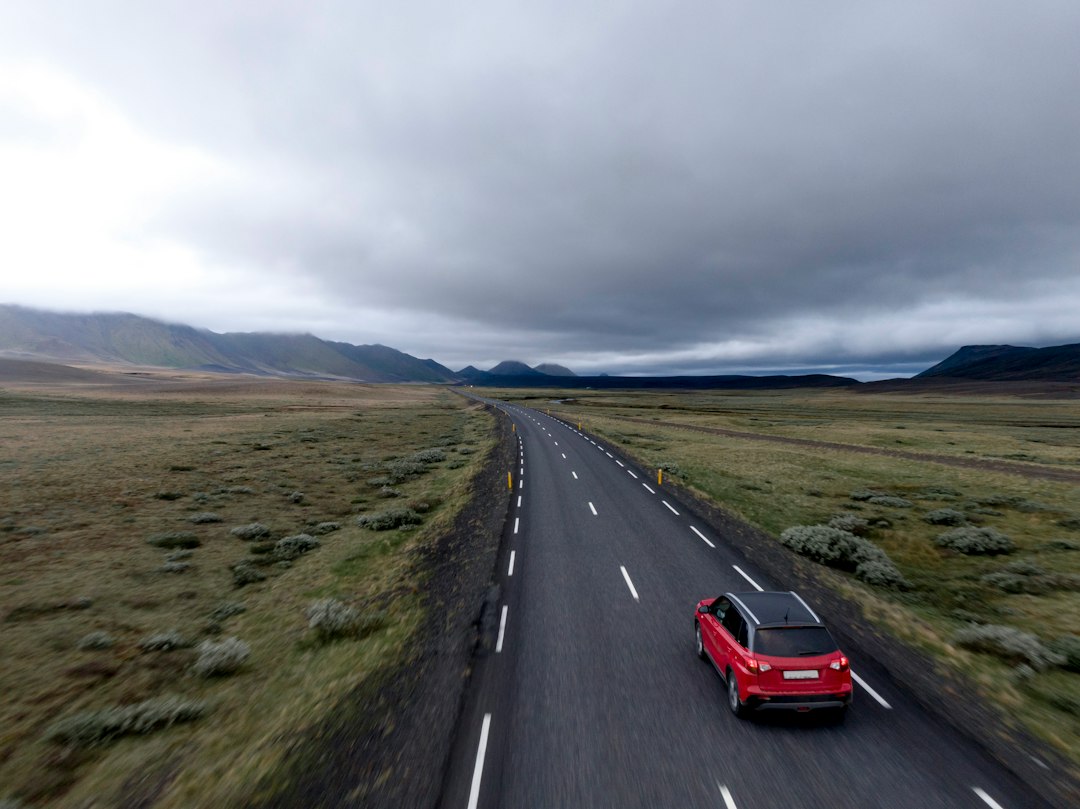
South Dakota is a large, rural state with long stretches of open highway, significant wildlife crossing activity — particularly deer — and harsh winters that raise the stakes for comprehensive coverage. The coverage decisions you make here aren’t the same ones a driver in a dense metro area should make. Hitting a deer on I-90 at night is a real and common claim scenario, not an edge case.
South Dakota is also an at-fault state, meaning if you cause an accident, your liability coverage pays for the other party’s damages. The state minimum is low: 25/50/25 — $25,000 bodily injury per person, $50,000 per accident, and $25,000 property damage. Those limits are dangerously thin in a modern accident. A single car with airbag deployment can exceed $25,000 in property damage alone.
What actually separates insurers here isn’t the TV ad or the brand name. It’s the premium for your specific driver profile, how they handle a deer strike or winter weather claim, how quickly they respond when something goes wrong, and what you’re actually covered for when you need it.
What’s marketing noise: “Best customer service” claims, vague “savings” promises, and celebrity endorsements. What actually matters: claims payout speed, coverage-to-premium ratio, rate stability at renewal, and whether they’ll still want your business after one claim.
—
Detailed Analysis of Each Option
State Farm
State Farm is the largest auto insurer in the country, and its South Dakota presence is genuinely strong. You’ll find local agents in Sioux Falls, Rapid City, Aberdeen, and throughout smaller communities — and that matters when you’re filing a deer claim at 9 PM after a long drive on rural Highway 14.
Their Drive Safe & Save telematics program can meaningfully lower your premium if you have good driving habits. Discounts stack reasonably well — multi-car, good student, and bundling with renters or homeowners are all legitimate reductions.
Where State Farm falls short: It’s rarely the cheapest option for younger drivers or those with recent violations. If you want to comparison-shop entirely online without talking to an agent, the digital experience lags behind Progressive or GEICO.
USAA
If you or an immediate family member has served in the military, USAA is the benchmark — full stop. It consistently ranks at or near the top of customer satisfaction surveys, posts some of the lowest premiums in the industry for qualified drivers, and handles claims with unusual speed and fairness.
The fatal flaw: eligibility is restricted to active military, veterans, and their eligible family members. If you don’t qualify, you can stop reading this section.
For those who qualify, there’s almost no scenario where USAA isn’t worth at least getting a quote.
Progressive
Progressive earns its reputation among drivers who either have something on their record (an accident, a ticket, a DUI) or who want to squeeze every dollar out of comparison shopping. Their Name Your Price tool lets you set your budget and see what coverage that buys — a genuinely useful framing for budget-focused buyers.
Snapshot, their telematics program, can deliver real savings for careful drivers. Progressive also tends to offer competitive rates on non-standard coverage like SR-22 filing, which is required in South Dakota after certain violations.
The watch-out: Progressive’s introductory rates are attractive, but renewal rates can jump significantly — especially after a claim or if your Snapshot data doesn’t reflect great driving habits. Don’t assume the price you get on day one is the price you’ll see a year later.
Farmers
Farmers is the right choice if you’re bundling — home and auto together, or adding an umbrella policy. Their agents are knowledgeable and their coverage options are broad, including new car replacement and accident forgiveness riders.
The trade-off is cost. Farmers tends to run on the pricier side for drivers who just want basic liability or a stripped-down policy. If you’re buying a full-coverage package and want a one-stop shop for your insurance needs, Farmers earns its premium. If you’re looking for minimum-state liability at a low price, look elsewhere.
Allstate
Allstate’s Drivewise telematics program is one of the more transparent in the industry — it shows you your score and gives you a clear sense of what behaviors affect your discount. The app is polished. If you’re a tech-forward driver who wants data visibility into your own habits, Allstate delivers that experience.
The catch: Allstate’s base rates tend to be higher than State Farm or Progressive, so even with a Drivewise discount, you may not come out ahead. Claims satisfaction scores are mixed — not a dealbreaker, but worth noting if seamless claims handling is a priority.
Dairyland
Dairyland is a specialty insurer that exists specifically for drivers who struggle to get coverage elsewhere — SR-22 requirements, multiple violations, lapsed coverage history, or high-risk profiles. They’ll take drivers that standard carriers decline.
Don’t choose Dairyland if you have a clean record. You’ll pay above-market rates for coverage that a standard insurer would offer more affordably. But if you’ve been turned down elsewhere or need SR-22 filing quickly, Dairyland fills a genuine gap in the market.
—
Head-to-Head on What Matters Most
Premium vs. Real Coverage Value
Low premiums with inadequate limits aren’t a deal — they’re a liability. South Dakota’s state minimums leave you exposed in a serious multi-vehicle accident. For most drivers, increasing liability limits to 100/300/100 and adding uninsured motorist coverage is worth the modest additional premium.
Winner for value-to-coverage ratio: State Farm for standard drivers; USAA for eligible military households.
Claims Handling in Rural South Dakota
Deer strikes, ice-related accidents, and hail damage are the most common South Dakota claims. How quickly does your insurer respond, and do they use local repair shops or require you to go out of your way?
Winner: USAA for speed and satisfaction; State Farm for local agent support. Progressive and Allstate are middle-of-the-road.
Rate Stability at Renewal
This is the factor that catches the most people off guard. A competitive rate at signup that jumps 20–30% at renewal is worse than a slightly higher but stable rate.
Winner: State Farm and Farmers tend to be more renewal-stable than Progressive. USAA is also notably stable over time.
Digital Experience vs. Agent Access
Progressive and Allstate lead on digital tools. State Farm and Farmers offer stronger local agent relationships. Neither is objectively better — it depends whether you’d rather manage your policy through an app or have a person to call.
—
Who Should Choose What
- If you want reliable coverage with local support and don’t want to think too hard about it → State Farm is the safe, well-justified default.
- If you qualify for USAA → Get a quote there first. There’s almost no scenario where this doesn’t make the shortlist.
- If you have a blemished driving record or need SR-22 → Start with Progressive, then check Dairyland if you’re declined or quoted unaffordably.
- If you’re bundling home and auto → Farmers or State Farm are your best bets for meaningful multi-policy discounts.
- If you drive carefully and want to be rewarded for it → Allstate’s Drivewise or Progressive’s Snapshot can translate good habits into real savings.
- If you’re on the tightest possible budget with a clean record → Get quotes from USAA (if eligible), Progressive, and State Farm. Compare the actual numbers — not the ads.
—
What to Watch Out For
State minimums are a trap. South Dakota’s 25/50/25 limits are legal, but they’re not adequate. In a serious accident, you could be personally liable for costs that exceed your policy limits. Many drivers unknowingly carry limits that leave them financially exposed.
Comprehensive coverage matters more here than in many states. Deer strikes are not covered under collision — they require comprehensive. If you’re dropping comprehensive to save money on a vehicle you drive on rural roads, reconsider.
Telematics programs have fine print. Some programs monitor not just speeding, but hard braking, phone use, and late-night driving. Read what’s being tracked before you opt in — and understand that poor Snapshot or Drivewise scores can actually increase your renewal rate with some carriers.
Promotional rates aren’t permanent. Several insurers offer first-term discounts that quietly expire at renewal. Set a reminder to re-shop your policy before each renewal period rather than letting it auto-renew by default.
SR-22 filing fees exist. If you need an SR-22, expect a one-time filing fee on top of your premium — this varies by insurer and isn’t always disclosed upfront.
—
FAQ
Frequently Asked Questions
What is the minimum car insurance required in South Dakota?
South Dakota requires minimum liability coverage of 25/50/25 — $25,000 bodily injury per person, $50,000 per accident, and $25,000 property damage liability. These are legal minimums, but they’re widely considered insufficient for real-world accident costs, so most advisors recommend carrying higher limits.
Is comprehensive coverage worth it in South Dakota?
For most South Dakota drivers, yes. Deer collisions are among the most common vehicle claims in the state, and they’re only covered under comprehensive — not collision. If you drive rural roads regularly, comprehensive coverage pays for itself in risk reduction.
How does South Dakota’s at-fault system affect my insurance?
South Dakota is a traditional at-fault (or “tort”) state. If you cause an accident, your liability insurance pays for the other party’s damages and injuries. This makes adequate liability limits especially important, since your personal assets are exposed if your limits are exhausted.
Can I get car insurance in South Dakota with a DUI on my record?
Yes, but your options narrow and your premium will rise substantially. Progressive, Dairyland, and National General are among the insurers that specialize in higher-risk profiles. You’ll also likely need to file an SR-22 certificate with the state, which your insurer handles — for a fee.
Does South Dakota require uninsured motorist coverage?
South Dakota requires insurers to offer uninsured motorist coverage, but you can waive it in writing. Given that rural and lower-income areas tend to have higher rates of uninsured drivers, waiving this coverage carries real risk — it’s worth keeping.
How often should I shop my South Dakota car insurance?
Re-shop at every renewal, or at minimum every other year. Your rate is influenced by your age, driving record, credit score, and insurer pricing models — all of which shift over time. A rate that was competitive when you signed up may not be competitive after two renewals.
—
Conclusion
Finding the best car insurance in South Dakota comes down to matching your specific driver profile, coverage needs, and budget to an insurer that handles your most likely claims scenarios well — not just one that runs the most ads. For most drivers, that means State Farm as a reliable default, USAA if you’re eligible, and Progressive if price is the primary driver. Always get at least three quotes before committing, read the renewal terms carefully, and don’t let your policy auto-renew without checking whether a better option exists.
YouCompare.com is built for exactly this kind of decision. As an independent comparison platform with no sponsored rankings and no pay-to-play listings, we help you evaluate insurance, energy, internet, mobile, and software options side by side — with honest, research-backed analysis designed to put your interests first. Use our comparison tools to cut through the marketing noise and find the coverage that’s actually right for you.
