
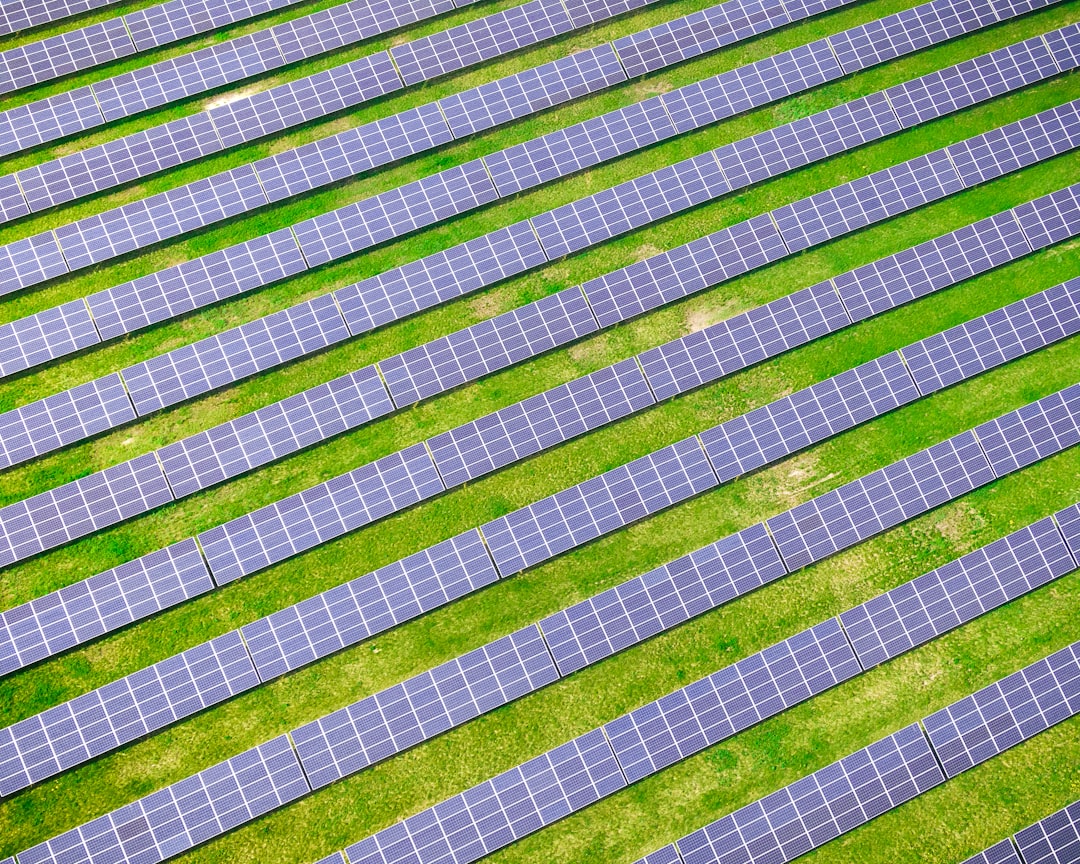
Best Solar Panels for Home (Ranked)
Introduction
Choosing the best solar panels for your home is one of the most important decisions you’ll make when transitioning to renewable energy. With electricity costs continuing to rise and environmental concerns growing, solar panels offer an attractive solution that can significantly reduce your energy bills while increasing your property value.
This comprehensive comparison examines the top solar panel brands and technologies available for residential installations. We’ll help you understand the key differences between monocrystalline, polycrystalline, and thin-film technologies, evaluate leading manufacturers, and determine which option best suits your specific needs, budget, and roof configuration.
Our Top Picks at a Glance:
- Best Overall: SunPower – Premium efficiency and industry-leading warranty
- Best Value: Canadian Solar – Excellent balance of performance and cost
- Best Budget Option: Trina Solar – Reliable performance at competitive prices
- Most Innovative: Tesla Solar Panels – Sleek design with integrated technology
- Best for Limited Space: LG Solar – High efficiency in compact panels
Quick Comparison Overview
| Brand | Panel Type | Efficiency Range | Warranty Period | Best For |
|——-|————|——————|——————|———-|
| SunPower | Monocrystalline | 19-22% | 25 years | Maximum efficiency |
| Canadian Solar | Monocrystalline | 17-20% | 20-25 years | Balanced performance |
| Trina Solar | Poly/Mono | 16-20% | 15-25 years | Budget-conscious buyers |
| Tesla Solar | Monocrystalline | 19-20% | 25 years | Tech integration |
| LG Solar | Monocrystalline | 19-22% | 25 years | Limited roof space |
| Q CELLS | Monocrystalline | 18-20% | 25 years | Anti-reflective technology |
| REC Solar | Monocrystalline | 19-21% | 20 years | Harsh weather conditions |
Key Technology Differences:
- Monocrystalline: Higher efficiency, sleeker appearance, premium pricing
- Polycrystalline: Good value, moderate efficiency, blue-tinted appearance
- Thin-film: Flexible installation, lower efficiency, budget-friendly
Detailed Comparison
SunPower – Best Overall Performance
SunPower consistently ranks as the premium choice for residential solar installations. Their Maxeon series panels feature patented cell technology that delivers industry-leading efficiency ratings of up to 22.8%. The solid copper foundation in their cells provides exceptional durability and performance degradation resistance.
Key Features:
- Maxeon cell technology with copper backing
- Industry-leading 25-year comprehensive warranty
- Excellent low-light performance
- Sleek all-black aesthetic design
- Superior temperature coefficient ratings
SunPower panels excel in challenging conditions, maintaining higher output during hot weather and partial shading scenarios. Their manufacturing process ensures consistent quality, though this premium performance comes at a higher cost.
Canadian Solar – Best Overall Value
Canadian Solar strikes an excellent balance between performance, reliability, and affordability. Their HiKu and BiKu series panels offer solid efficiency ratings while maintaining competitive pricing. The company has established a strong global presence with consistent manufacturing quality.
Key Features:
- PERC (Passivated Emitter Rear Cell) technology
- Strong 25-year linear power warranty
- Excellent salt mist and ammonia resistance
- Wide range of panel sizes and configurations
- Good performance in various climate conditions
Canadian Solar panels provide reliable long-term performance with lower upfront costs compared to premium brands, making them ideal for homeowners seeking quality without premium pricing.
Trina Solar – Best Budget Option
Trina Solar offers dependable solar panels at competitive prices, making renewable energy accessible to budget-conscious homeowners. Their Vertex and Honey series provide solid performance metrics while maintaining affordability through efficient manufacturing processes.
Key Features:
- Multi-busbar technology for improved reliability
- Competitive efficiency ratings up to 20%
- Standard 15-25 year warranties depending on series
- Wide availability through dealer networks
- Proven track record in utility-scale installations
While Trina panels may not match premium brands’ peak efficiency, they offer excellent value for homeowners prioritizing cost-effectiveness over maximum performance.
Tesla Solar Panels – Most Innovative Integration
Tesla’s solar panels focus on seamless integration with their energy ecosystem, including Powerwall battery storage and advanced monitoring systems. Their panels feature clean aesthetics and smart technology integration.
Key Features:
- Integrated monitoring and control systems
- Seamless Powerwall battery integration
- Sleek, low-profile design
- Mobile app control and monitoring
- 25-year comprehensive warranty
Tesla panels appeal to homeowners interested in comprehensive energy solutions and cutting-edge technology integration, though availability may be limited in some regions.
LG Solar – Best for Limited Roof Space
LG Solar panels maximize energy production in constrained spaces through high-efficiency monocrystalline technology. Their NeON series panels combine excellent performance with compact dimensions.
Key Features:
- Cello technology for improved efficiency
- Excellent performance in high temperatures
- 25-year product and performance warranties
- Durable aluminum frame construction
- Strong low-light performance capabilities
LG panels suit homeowners with limited roof space who need maximum energy production per square foot, though the company recently announced their exit from the solar panel market.
Q CELLS – Advanced Anti-Reflective Technology
Q CELLS panels feature innovative anti-reflective technology and excellent build quality. Their Q.PEAK series offers strong performance with distinctive anti-reflective coating that improves energy yield.
Key Features:
- Anti-reflective coating technology
- Hot-spot protection for enhanced safety
- 25-year linear performance warranty
- German engineering and quality standards
- Excellent performance ratio in real conditions
Q CELLS provides reliable performance with innovative features that enhance long-term energy production and system safety.
REC Solar – Built for Harsh Conditions
REC Solar panels excel in challenging environmental conditions through robust construction and innovative cell technology. Their Alpha series features half-cut cell design for improved performance and reliability.
Key Features:
- Twin cell technology for enhanced reliability
- Excellent performance in harsh weather conditions
- 20-year comprehensive warranty
- Superior mechanical load resistance
- Low degradation rates over time
REC panels suit homeowners in areas with extreme weather conditions who need durable, reliable solar energy systems.
Pricing Overview
Solar panel costs vary significantly based on technology, brand, efficiency, and installation complexity. Understanding these factors helps you make informed decisions about your investment.
General Cost Ranges per Watt:
- Premium Brands (SunPower, LG): $0.70-$1.20 per watt
- Mid-Range Options (Canadian Solar, Q CELLS): $0.50-$0.80 per watt
- Budget-Friendly Choices (Trina Solar): $0.40-$0.65 per watt
Factors Affecting Solar Panel Pricing:
- Panel efficiency and technology type
- Manufacturing location and processes
- Warranty coverage and duration
- Brand reputation and market demand
- Installation complexity and requirements
- Local incentives and rebate programs
Total System Cost Considerations:
Remember that panels typically represent 25-30% of total system costs. Installation, inverters, mounting hardware, permits, and electrical work comprise the remaining expenses. Higher-efficiency panels may reduce overall system costs by requiring fewer panels and simplified installation.
Pros and Cons
SunPower
Pros:
- Highest efficiency ratings available
- Comprehensive 25-year warranty
- Excellent durability and longevity
- Superior low-light performance
Cons:
- Premium pricing
- Limited dealer network in some areas
- Longer payback periods due to higher costs
Canadian Solar
Pros:
- Excellent value proposition
- Strong warranty coverage
- Wide availability
- Proven reliability record
Cons:
- Moderate efficiency compared to premium brands
- Less innovative features
- Standard aesthetic appearance
Trina Solar
Pros:
- Competitive pricing
- Reliable performance
- Wide dealer availability
- Good warranty options
Cons:
- Lower efficiency than premium options
- Basic warranty terms on entry models
- Limited advanced features
Tesla Solar Panels
Pros:
- Advanced technology integration
- Sleek design aesthetic
- Comprehensive energy ecosystem
- Strong warranty coverage
Cons:
- Limited availability in some regions
- Dependency on Tesla service network
- Higher complexity for repairs
LG Solar
Pros:
- High efficiency in compact size
- Excellent build quality
- Strong warranty terms
- Good temperature performance
Cons:
- Company exiting solar panel market
- Premium pricing
- Future service concerns
How to Choose the Best Solar Panels
Selecting the right solar panels requires careful consideration of multiple factors specific to your situation, budget, and energy goals.
Key Factors to Consider
Energy Needs Assessment:
Calculate your annual electricity consumption and identify peak usage periods. This determines the system size and panel quantity needed for your home.
Roof Characteristics:
Evaluate your roof’s size, orientation, angle, shading, and structural condition. South-facing roofs with minimal shading provide optimal solar panel performance.
Budget and Financing:
Determine your available budget for upfront costs or preferred financing options. Consider federal tax credits, state incentives, and local rebate programs.
Efficiency Requirements:
High-efficiency panels cost more but produce more power in limited space. Lower-efficiency panels may be suitable for larger roofs with ample space.
Aesthetic Preferences:
Consider panel appearance and how it complements your home’s design. All-black panels offer sleeker appearance but may cost more than standard blue panels.
Questions to Ask Yourself
- What’s my primary goal? Maximize savings, environmental impact, or property value?
- How long do I plan to stay in this home? Longer residence periods favor higher-efficiency investments.
- What’s my risk tolerance? Premium brands offer more security but higher costs.
- Do I have space constraints? Limited roof space requires higher-efficiency panels.
- What warranty coverage do I need? Longer warranties provide more protection but increase costs.
Matching Needs to Options
For Maximum Performance: Choose SunPower or LG panels with highest efficiency ratings and comprehensive warranties.
For Best Value: Select Canadian Solar or Q CELLS for balanced performance and competitive pricing.
For Budget Constraints: Consider Trina Solar or entry-level options from established manufacturers.
For Tech Integration: Tesla panels integrate seamlessly with smart home systems and battery storage.
For Harsh Climates: REC Solar panels excel in extreme weather conditions with superior durability.
How to Get Started with Solar Panels
Transitioning to solar energy involves several important steps that require careful planning and professional guidance.
Research and Planning Phase
Initial Assessment:
Begin by evaluating your current electricity usage, roof condition, and solar potential. Online solar calculators provide preliminary estimates of system size and potential savings.
Get Multiple Quotes:
Contact at least three certified solar installers for comprehensive proposals. Compare equipment recommendations, pricing, warranties, and installation timelines.
Verify Credentials:
Ensure installers hold proper licenses, insurance, and certifications from manufacturers. Check references and review ratings from previous customers.
Installation Process
Permits and Approvals:
Your installer should handle permit applications and utility interconnection agreements. This process typically takes 2-4 weeks depending on local requirements.
Installation Timeline:
Most residential installations complete within 1-3 days once permits are approved. Weather conditions and system complexity may affect scheduling.
Inspection and Activation:
Local authorities and utilities must inspect and approve systems before activation. This final step typically occurs within 1-2 weeks after installation.
What to Watch Out For
Aggressive Sales Tactics:
Avoid companies using high-pressure sales techniques or requiring immediate decisions. Reputable installers provide detailed information and reasonable consideration time.
Unrealistic Promises:
Be skeptical of claims about eliminating electricity bills entirely or guaranteed savings amounts. Actual performance depends on numerous variables.
Financing Terms:
Carefully review solar loan terms, lease agreements, and power purchase agreements. Understand all costs, escalation clauses, and ownership implications.
Timing Considerations
Seasonal Factors:
Spring and fall typically offer optimal installation conditions and shorter wait times. Summer demand may increase costs and extend scheduling.
Incentive Deadlines:
Federal tax credits and local incentives may have expiration dates or declining values. Plan installation timing to maximize available benefits.
Utility Rate Changes:
Monitor utility rate structures and net metering policies that may affect solar system economics and payback periods.
Frequently Asked Questions
Which solar panel brand offers the best warranty coverage?
SunPower and LG Solar provide the most comprehensive warranty coverage with 25-year product warranties that cover both manufacturing defects and power output degradation. Most other manufacturers offer 10-15 year product warranties with separate 20-25 year power warranties. Tesla also provides 25-year comprehensive coverage, while Canadian Solar and Q CELLS offer strong 25-year linear power warranties with standard product warranties.
How do monocrystalline panels compare to polycrystalline panels?
Monocrystalline panels offer higher efficiency (typically 17-22%) and better performance in low-light conditions, but cost more than polycrystalline panels (typically 15-17% efficiency). Monocrystalline panels have a sleeker all-black appearance and require less roof space for the same power output. Polycrystalline panels provide better value for homeowners with ample roof space and tighter budgets, though the price gap has narrowed significantly in recent years.
What efficiency rating should I look for in residential solar panels?
For most residential applications, panels with 18-20% efficiency provide an excellent balance of performance and value. High-efficiency panels (20%+) are worth the premium cost if you have limited roof space or want to maximize energy production. Panels below 17% efficiency may be suitable for large roofs where space isn’t constrained and budget is the primary concern.
How long do solar panels typically last, and what affects their lifespan?
Quality solar panels typically last 25-30 years or longer, with most manufacturers guaranteeing 80-90% of original output after 25 years. Factors affecting lifespan include build quality, installation workmanship, climate conditions, and maintenance. Premium brands like SunPower often show degradation rates below 0.3% annually, while standard panels may degrade 0.5-0.8% per year.
Is it better to buy or lease solar panels for my home?
Buying solar panels typically provides better long-term financial returns, allowing you to claim tax incentives and benefit from increased property values. Leasing requires little or no money down but provides smaller savings over time. Consider buying if you plan to stay in your home long-term, have adequate tax liability, and can secure favorable financing. Leasing may suit homeowners with limited upfront capital or those planning to move within 10-15 years.
What should I expect to pay for a complete residential solar system?
Complete residential solar systems typically cost $15,000-$30,000 before incentives, depending on system size, panel quality, and installation complexity. After federal tax credits, costs range from $10,000-$20,000 for most homeowners. Factors affecting pricing include roof characteristics, electrical upgrades needed, permit costs, and local labor rates. Higher-efficiency panels may reduce overall costs by requiring fewer panels and simplified installation.
Conclusion
Choosing the best solar panels for your home requires balancing efficiency, cost, warranty coverage, and aesthetic preferences with your specific energy needs and budget constraints. SunPower leads in premium performance and comprehensive warranties, while Canadian Solar offers excellent value for most homeowners. Budget-conscious buyers will find reliable options from Trina Solar, and tech enthusiasts may prefer Tesla’s integrated ecosystem approach.
The solar panel market continues evolving with improving efficiency and declining costs making renewable energy increasingly attractive. Whether you prioritize maximum performance, best value, or Cheap Renters, today’s solar panels offer reliable, long-term energy solutions that can significantly reduce your electricity costs while increasing property values.
Ready to find the perfect solar panels for your home? Use YouCompare.com’s independent comparison tools to evaluate options from top manufacturers and certified installers in Internet Providers: Compare. Our unbiased reviews and comprehensive comparisons help thousands of consumers make smarter choices about solar energy investments. Compare warranties, efficiency ratings, and local installer options to find the best solar solution for your specific needs and budget. Start your solar journey today with YouCompare.com – your trusted partner for making informed energy decisions.