
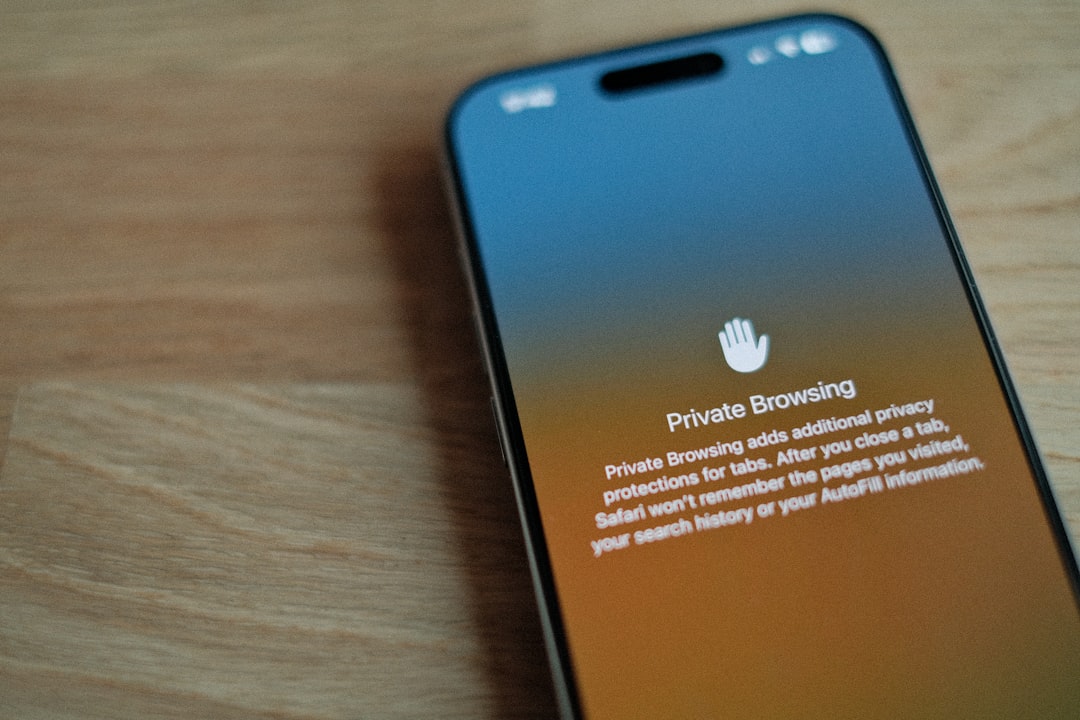
Cheap VPN Services: Budget-Friendly Options
In an era where digital privacy concerns are at an all-time high and streaming content is increasingly geo-restricted, Virtual Private Networks (VPNs) have become essential tools for internet users worldwide. However, premium VPN services can cost upwards of $10-15 per month, making them a significant expense for budget-conscious consumers. The good news is that several reputable VPN providers offer affordable alternatives without completely sacrificing security and functionality.
This comprehensive comparison examines the most cost-effective VPN options available today, helping you understand what features you can expect at different price points and how to choose the best budget-friendly solution for your specific needs. Whether you’re a student on a tight budget, a casual internet user, or someone who simply wants reliable VPN protection without premium pricing, this guide will help you navigate the landscape of affordable VPN services.
Our analysis focuses on providers that consistently offer competitive pricing while maintaining acceptable standards for security, privacy, and performance. We’ll explore the trade-offs involved in choosing budget options and help you identify which compromises are worth making based on your individual usage patterns and priorities.
Quick Comparison Overview
The budget VPN market typically falls into three categories: ultra-budget options (under $3/month), mid-range affordable services ($3-6/month), and premium-light offerings ($6-10/month). Each category offers different balances of features, performance, and reliability.
Ultra-Budget Champions excel at providing basic VPN functionality at rock-bottom prices but may have limitations in server networks, simultaneous connections, or customer support quality. These services work well for users with simple needs who primarily want to encrypt their connection or access geo-restricted content occasionally.
Mid-Range Affordable Services represent the sweet spot for most users, offering significantly more features than ultra-budget options while remaining substantially cheaper than premium services. They typically provide decent server networks, reasonable speeds, and adequate customer support.
Premium-Light Offerings are discounted versions of top-tier services or newer providers trying to establish market share. They often provide near-premium features at reduced costs, making them excellent value propositions for users who want advanced functionality without paying full premium prices.
The key differences lie in server network size, connection speeds, simultaneous device limits, streaming capability, advanced security features, and customer support quality. Most budget services provide adequate security for general use, but may lack specialized features like dedicated IP addresses, advanced obfuscation, or 24/7 live chat support.
Detailed Comparison
Ultra-Budget VPN Services
Ultra-budget VPN providers focus on delivering core VPN functionality at the lowest possible cost. These services typically offer basic encryption, a limited but functional server network, and standard VPN protocols. While they may not have the extensive server networks or lightning-fast speeds of premium services, they provide adequate protection for casual browsing, basic privacy protection, and accessing geo-restricted content.
Most ultra-budget providers offer 256-bit AES encryption, which is the industry standard for security. They usually support OpenVPN and IKEv2 protocols, ensuring compatibility with most devices. However, newer protocols like WireGuard may not always be available. Server networks typically range from 30-60 countries, which covers most users’ needs but may lack options in less common locations.
These services often limit simultaneous connections to 5-10 devices, which is sufficient for individual users but may be restrictive for families. Customer support is usually limited to email tickets, with response times ranging from several hours to a few days. Some providers offer live chat during limited hours.
Mid-Range Affordable Services
Mid-range affordable VPN services bridge the gap between ultra-budget and premium options by offering enhanced features while maintaining competitive pricing. These providers typically invest more in infrastructure, resulting in better speeds and more reliable connections. Server networks are usually more extensive, covering 60-90 countries with multiple server options in popular locations.
Advanced features become more common in this category, including specialized servers for streaming, P2P file sharing, and enhanced security. Many mid-range providers offer WireGuard protocol support, which provides better performance than older protocols. Kill switches, DNS leak protection, and split tunneling are standard features.
Customer support quality improves significantly, with many providers offering live chat support during extended hours or 24/7. Response times are generally faster, and support staff are typically more knowledgeable about technical issues. Some providers in this category also offer phone support during business hours.
Simultaneous connection limits are often more generous, ranging from 10 connections to unlimited devices. This makes these services more suitable for families or users with multiple devices. Mobile apps are usually more polished and feature-rich compared to ultra-budget alternatives.
Premium-Light Offerings
Premium-light VPN services are often established providers offering discounted rates to compete in the budget market, or newer companies trying to build market share with competitive pricing. These services frequently provide features that rival premium offerings but at significantly reduced costs, especially for long-term subscriptions.
Server networks in this category are typically extensive, often covering 90+ countries with thousands of servers worldwide. This ensures better performance and more options for accessing geo-restricted content. Specialized servers for streaming popular services like Netflix, gaming, and high-speed downloads are common.
Advanced security features are standard, including military-grade encryption, multiple protocol options (including WireGuard), advanced kill switches, DNS leak protection, and often additional features like ad blocking, malware protection, or tracker blocking. Some providers offer advanced obfuscation techniques for use in countries with VPN restrictions.
Customer support is usually comprehensive, with 24/7 live chat, detailed knowledge bases, video tutorials, and sometimes phone support. Response times are typically quick, and support quality rivals premium services. Many providers offer setup assistance and troubleshooting help.
Pricing Overview
VPN pricing structures vary significantly, but budget-conscious consumers can expect to pay anywhere from $1.50 to $8 per month depending on subscription length and features. The most significant factor affecting pricing is subscription duration – monthly plans are typically 3-4 times more expensive than annual plans, while multi-year subscriptions can reduce costs even further.
Ultra-budget services often start around $1.50-3.00 per month for long-term commitments, though monthly prices may reach $8-12. These providers rely on volume and long-term subscriptions to maintain profitability while offering competitive rates. However, be aware that introductory pricing may increase upon renewal.
Mid-range affordable services typically range from $3-6 per month for annual subscriptions, with monthly plans ranging from $9-15. These providers offer better value propositions by balancing features with pricing, often providing significant discounts for longer commitments.
Premium-light offerings usually fall between $4-8 per month for annual plans, representing substantial savings compared to their full-price premium counterparts. These services often provide the best value for users who want advanced features without premium pricing.
Several factors beyond base pricing affect overall value. Some providers charge extra for dedicated IP addresses, advanced security features, or premium support. Others include these features in their standard plans. Additionally, consider whether the provider offers money-back guarantees, free trial periods, or the ability to pause subscriptions.
Payment methods also vary, with budget providers sometimes offering additional discounts for cryptocurrency payments or annual prepayments. Some providers accept gift cards or alternative payment methods that may offer better exchange rates for international customers.
Pros and Cons
Ultra-Budget VPN Services
Advantages:
- Extremely affordable pricing makes VPN protection accessible to everyone
- Basic security features provide adequate protection for casual browsing
- Usually sufficient server coverage for most common locations
- Simple interfaces make them easy to use for beginners
- Low commitment cost allows for easy experimentation with VPN services
Disadvantages:
- Limited server networks may result in slower speeds or fewer location options
- Customer support quality can be inconsistent with longer response times
- May lack advanced features like specialized streaming servers or advanced protocols
- Simultaneous connection limits might be restrictive for families
- Performance may be inconsistent during peak usage times
Mid-Range Affordable Services
Advantages:
- Excellent balance of features and pricing for most users
- More reliable performance and better customer support than ultra-budget options
- Usually include advanced security features and modern protocols
- Better server networks provide more location options and improved speeds
- Often include specialized servers for streaming and P2P activities
Disadvantages:
- Still more expensive than ultra-budget alternatives
- May lack some premium features like dedicated IP addresses or advanced obfuscation
- Server networks, while good, may not be as extensive as premium services
- Some advanced features might be limited or require higher-tier plans
Premium-Light Offerings
Advantages:
- Near-premium features at significantly reduced costs
- Extensive server networks with excellent global coverage
- High-quality customer support and comprehensive documentation
- Advanced security features and cutting-edge protocols
- Often include additional features like ad blocking or malware protection
Disadvantages:
- Higher cost than other budget options may strain tight budgets
- Promotional pricing may increase significantly upon renewal
- Some providers may reduce features or increase prices as they establish market position
- May have fewer simultaneous connections than some mid-range competitors
How to Choose
Selecting the right budget VPN requires careful consideration of your specific needs, usage patterns, and priorities. Start by honestly assessing how you plan to use the VPN service. If you primarily need basic privacy protection for occasional browsing or accessing geo-restricted content, an ultra-budget option may suffice. However, if you stream frequently, work remotely, or require reliable performance, investing in a mid-range or premium-light service will likely provide better long-term value.
Consider your technical requirements carefully. Do you need specific server locations for accessing content or conducting business? How many devices do you need to protect simultaneously? Do you require specialized servers for streaming, gaming, or P2P activities? What protocols are important for your security needs? Answering these questions will help narrow your options significantly.
Evaluate your budget not just for the initial subscription but for long-term costs. While annual plans offer significant savings, ensure you’re comfortable with the upfront cost and the provider’s renewal policies. Some providers offer substantial discounts for the first term but charge much more for renewals. Factor in any additional costs for features you might need, such as dedicated IP addresses or premium support.
Research the provider’s reputation thoroughly. Look for independent reviews, check their privacy policy and logging practices, and verify their track record for security and reliability. A slightly more expensive service from a reputable provider is often better value than an ultra-cheap option from an unknown company that might compromise your data.
Test the service before committing long-term. Most reputable providers offer money-back guarantees or free trial periods. Use this time to test connection speeds, server locations you need, customer support responsiveness, and compatibility with your devices and use cases.
Pay attention to server network quality, not just quantity. A provider with fewer servers that are well-maintained and properly distributed may offer better performance than one with thousands of servers that are overcrowded or poorly managed.
How to Switch/Get Started
Making the transition to a budget VPN service is straightforward, but proper planning ensures a smooth experience. If you’re switching from another VPN provider, avoid canceling your current service until you’ve tested and confirmed your new provider meets your needs. This prevents service interruptions and allows for direct comparisons.
Before subscribing, take advantage of any free trials or money-back guarantees to thoroughly test the service. During this evaluation period, test connection speeds at different times of day, verify that servers in your required locations work properly, and confirm that any specialized features you need (like streaming or P2P support) function correctly.
When ready to subscribe, consider starting with a shorter-term plan initially, even if longer plans offer better per-month pricing. This allows you to confirm long-term satisfaction before committing to multi-year subscriptions. However, if you’re confident in your choice and want maximum savings, longer commitments can provide substantial discounts.
Download and configure apps on all your devices during your trial period. Most providers offer apps for common platforms, but verify compatibility with all your devices, including routers, smart TVs, or gaming consoles if needed. Test the kill switch feature and other security settings to ensure Insurance Deductibles Explained: properly.
Document your current internet speeds and frequently used services before switching, so you can compare performance after implementing the VPN. Some speed reduction is normal with VPN use, but significant slowdowns might indicate server issues or that you need a higher-tier service.
Set up payment methods carefully, especially if you’re concerned about auto-renewal. Some providers make cancellation difficult, so understand the cancellation process before subscribing. Consider using virtual credit cards or payment methods that allow easy subscription management if you’re concerned about unwanted renewals.
FAQ
Q: Are cheap VPN services actually secure and private?
A: Many budget VPN services provide adequate security for general use, typically offering industry-standard 256-bit AES encryption and secure protocols. However, cheaper services may cut costs by logging some user data, having less rigorous security audits, or using older infrastructure. Research each provider’s privacy policy, logging practices, and security track record carefully. Reputable budget providers can offer good security, but avoid services that seem too cheap to be sustainable, as they may monetize your data in other ways.
Q: What’s the difference between a cheap VPN and expensive premium services?
A: Premium VPN services typically offer larger server networks, faster speeds, better customer support, advanced features like dedicated IPs or specialized servers, and more simultaneous connections. They may also invest more in security audits, have stricter no-logs policies, and provide better apps and user experiences. Budget VPNs focus on core functionality at lower costs, which means fewer servers, potentially slower speeds, and basic features. However, many budget services provide perfectly adequate protection for casual users.
Q: Can I use budget VPN services for streaming Netflix and other platforms?
A: Many budget VPN services can access geo-restricted content, but reliability varies significantly between providers and changes frequently as streaming platforms update their detection methods. Mid-range and premium-light services often have better success rates with streaming platforms and may offer specialized streaming servers. Ultra-budget services may work inconsistently for streaming. If streaming is a priority, look for providers that specifically advertise streaming support and offer money-back guarantees to test functionality.
Q: How many devices can I protect with a cheap VPN?
A: Device limits vary widely among budget providers. Ultra-budget services might allow 3-5 simultaneous connections, while mid-range providers often offer 5-10 connections, and some budget providers offer unlimited connections. Consider your household’s needs – individual users might find 5 connections sufficient, while families may need 10 or more. Some providers allow router installation, which can protect unlimited devices through a single connection, though this uses more advanced setup.
Q: Is customer support reliable with budget VPN services?
A: Customer support quality varies significantly in the budget VPN market. Ultra-budget providers often rely on email tickets with response times of 24-48 hours and may have limited technical expertise. Mid-range providers usually offer live chat during business hours with better-trained support staff. Premium-light services often provide 24/7 support comparable to premium services. If reliable customer support is important, prioritize providers that offer live chat and have positive reviews for support quality, even if they cost slightly more.
Q: Should I choose monthly or annual billing for budget VPN services?
A: Annual billing typically offers 50-70% savings compared to monthly plans, making it much more cost-effective if you plan to use the VPN long-term. However, start with monthly billing or use money-back guarantees to test the service first. Once you’re satisfied with performance and reliability, switch to annual billing for maximum savings. Be cautious of multi-year plans from newer providers, as the VPN market changes rapidly and companies may alter their service quality or pricing over time.
Conclusion
Budget VPN services have evolved significantly, offering legitimate alternatives to premium providers for users who prioritize value without completely sacrificing security and functionality. While compromises are inevitable at lower price points, many budget providers deliver adequate performance for casual users, students, and anyone seeking basic privacy protection without premium costs.
The key to success with budget VPN services lies in matching your specific needs with the right service tier. Ultra-budget options work well for basic privacy and occasional geo-unblocking, mid-range services provide excellent all-around value for most users, and premium-light offerings deliver advanced features at competitive prices. Understanding these distinctions helps ensure you get the best value for your investment.
Remember that the cheapest option isn’t always the best value. A slightly more expensive service that reliably meets your needs is preferable to an ultra-cheap option that frustrates you with poor performance or inadequate features. Take advantage of trial periods and money-back guarantees to test services thoroughly before committing to long-term subscriptions.
Ready to find the perfect budget VPN for your needs? Visit YouCompare.com to access our comprehensive comparison tools and unbiased reviews of budget VPN services. Our independent platform helps thousands of consumers make smarter choices by providing detailed comparisons of features, pricing, and performance across dozens of providers. Whether you need basic privacy protection or advanced features at affordable prices, YouCompare.com’s expert analysis and user-friendly comparison tools will help you find the best deal tailored to your specific requirements. Start comparing today and discover how much you can save while getting the VPN protection you need.
